Most homeowners do not spend much time thinking about the thin pieces of metal tucked behind their siding. You only notice step flashing when it stops doing its job, and by then, you usually have a water stain growing on your ceiling. These L-shaped metal shingles are the unsung heroes of your roof. They create a layered defense that directs water away from where the roof meets a vertical wall. When you need a roof repair Highland service reach out to certified pros. With experts, residents can trust that the culprit will be found, and that is often a failure in this specific area. It is a high-stakes zone because gravity is constantly trying to pull water into the gaps of your home.
Poor Installation and Nailing Errors
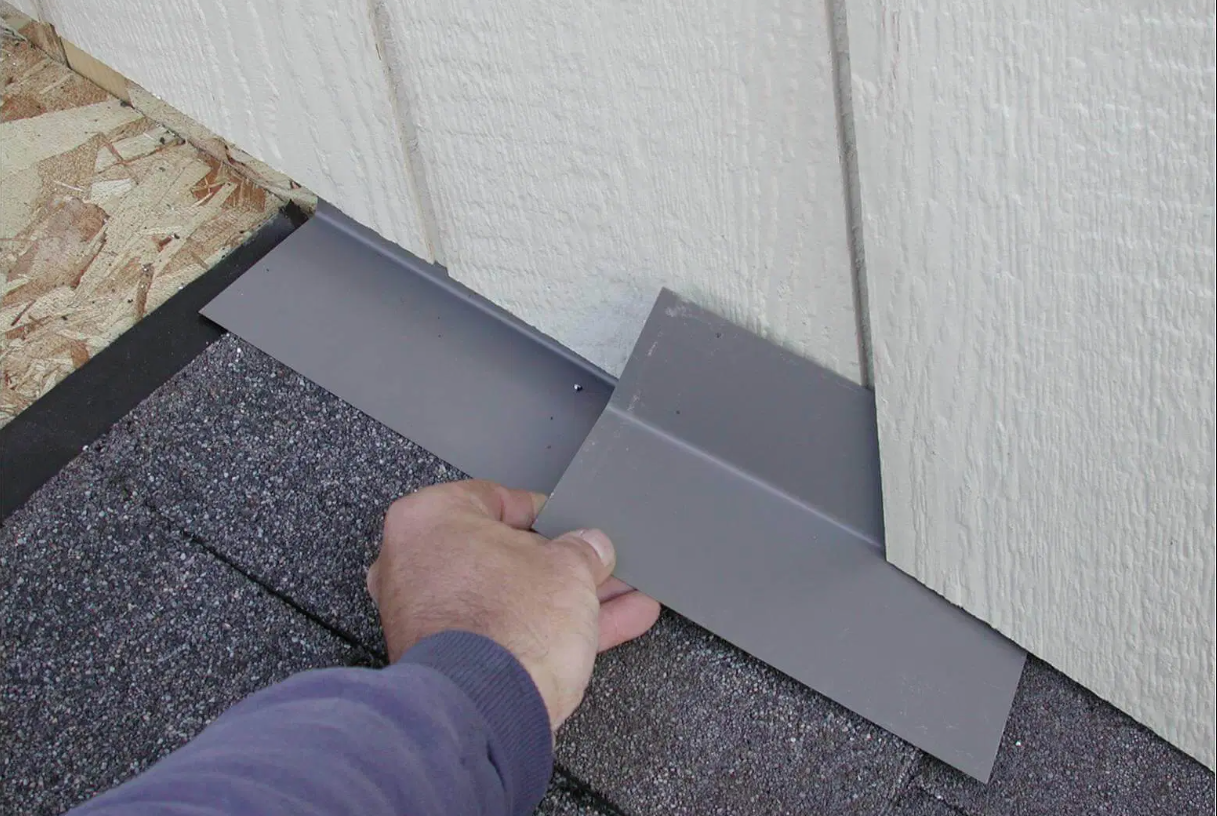
The most common reason step flashing fails is simply that it was put on wrong from the start. Each piece of flashing needs to be integrated with the shingles in a woven pattern. If a roofer gets lazy and tries to use one long piece of metal, known as an “L-channel,” instead of individual steps, the system will eventually leak.
Another big mistake is where the nails go. A pro knows you should only nail the flashing to the roof deck, not to the wall. Houses settle and shift over time. Wood expands when it gets humid and shrinks when it gets cold. If the metal is pinned to both the wall and the roof, that movement will eventually tear the metal or pull the nails loose. Once those holes open up, water finds a direct path into your attic.
Corrosion and Material Decay
Not all metal is created equal. In the old days, many builders used galvanized steel because it was cheap. While it works for a while, the zinc coating eventually wears off. Once the raw steel is exposed to the elements, it starts to rust. If you live in an area with a lot of snow or rain, that rust can eat a hole right through the flashing in a few years.
Copper is the gold standard because it lasts forever, but most people use aluminum today. Aluminum is great because it does not rust, but it is thin. If a branch falls or someone walks on the roof carelessly, it can dent or crack. Even a tiny pinhole from corrosion is enough to rot out the wooden sidewall of your house over a decade.
Issues with the House Siding
Step flashing does not work alone. It has to be tucked behind the house siding or a piece of “counter-flashing” to be effective. If the siding is installed too close to the roof surface, it creates a moisture trap. Water gets wicked up into the siding, leading to rot. On the flip side, if the siding is too high, the top of the flashing is exposed to the wind.
Strong winds can catch the edge of a piece of metal and peel it back. Once the metal is bent out of shape, it no longer sits flush against the wall. This creates a gap where “wind-driven rain” can blow upward and get behind the defense line. Once water is behind the metal, your shingles cannot save you.
Clogged Gutters and Debris Buildup
Sometimes the flashing is fine, but the environment is the problem. Leaves, pine needles, and grit from shingles love to collect in the “channels” created by step flashing. If you do not clean your roof, this debris acts like a dam.
When water hits a pile of wet leaves sitting on your flashing, it cannot flow down to the gutter. Instead, it pools. Water that sits still for too long will eventually find a way through capillary action to climb over the top of the metal. If you see plants growing out of the corner where your roof meets your wall, your flashing is currently failing or about to.
Final Word
Ignoring your roof until it leaks is a recipe for expensive structural damage. If you notice shingles pulling away or rust stains on your siding, it is time to call for a roof repair Highland professional to take a look. Catching a small flashing issue now prevents a full deck replacement later. Keeping those metal steps clear and properly tucked away ensures your home stays dry for the long haul.