Mobile home living doesn’t mean sacrificing style, comfort, or functionality. Whether someone is renting or owns their space, thoughtful interior design choices can completely transform a compact dwelling into a modern, organized home that feels spacious and welcoming. The key is working smarter with the square footage available, maximizing storage, choosing the right colors and lighting, upgrading finishes, and selecting furniture that serves double duty. With the right mobile home interior ideas, even the smallest floorplan becomes a reflection of personal taste and practical living. This guide walks through proven strategies to refresh and elevate mobile home interiors in 2026, from DIY updates to professional touches that don’t require a major renovation.
Table of Contents
ToggleKey Takeaways
- Mobile home interior ideas focus on maximizing vertical space with floor-to-ceiling shelving, wall-mounted cabinets, and multi-purpose furniture that serve dual functions to eliminate clutter.
- Light, neutral wall colors and layered lighting—including LED strips and task lighting—create the illusion of spaciousness and improve how rooms feel and function throughout the day.
- Kitchen and bathroom updates like cabinet refacing, backsplash tile, and modern fixtures deliver the biggest impact on daily life without requiring full renovations.
- Flooring upgrades such as luxury vinyl plank or large-format tile installed over existing surfaces are budget-friendly, durable, and make transitions between rooms feel seamless.
- Strategic furniture selection using low-profile pieces, sectionals, and glass tables maintains visual lightness while curated decor and quality textiles add warmth and personality without overwhelming compact spaces.
Maximize Space With Smart Storage Solutions
Storage is the secret weapon in mobile home living. Every cubic inch counts, and dead space is wasted potential. Start by assessing vertical real estate: install floor-to-ceiling shelving on bedroom and living room walls to capitalize on height that few homeowners leverage. Wall-mounted cabinets, floating shelves, and pegboard systems keep frequently used items accessible without eating floor space.
Under-bed storage containers, lofted furniture, and corner shelving units transform awkward angles into functional storage. In kitchens and bathrooms, adhesive-backed organizers and magnetic strips on refrigerators or inside cabinet doors hold everything from spices to grooming supplies without adding bulk. Multi-purpose furniture, ottomans with hidden storage, sofas with drawers, or dining tables with shelves underneath, serves dual functions and keeps clutter at bay.
Don’t overlook closet space. Install adjustable shelving, double-hanging rods, and slim hangers to maximize what’s already there. Behind-door organizers, hanging shoe racks, and vacuum-sealed storage bags compress seasonal items. Clear labeling and a rotation system prevent the accumulation that makes small spaces feel cramped. The goal is making everything earn its place.
Choose Colors and Lighting That Make Spaces Feel Larger
Color psychology and lighting strategy are game-changers for perceived space. Light, neutral wall colors, soft whites, pale grays, warm creams, reflect light and create an open, airy feel without feeling sterile. If color is desired, a single accent wall in a muted tone (sage green, soft blue, warm taupe) adds personality without overwhelming a small room.
Lighting transforms how a space functions and feels. Layered lighting, overhead fixtures, task lighting (desk lamps, under-cabinet strips), and ambient light from table lamps, adds depth and prevents the harsh, flat feel of a single ceiling fixture. LED strip lights installed above cabinets, behind shelves, or around mirror frames brighten corners and create visual interest. Smart bulbs allow for brightness and color temperature adjustments, helping residents adapt their environment to different times of day.
Mirrors are strategic tools: they bounce light around the room and create the illusion of depth. A large mirror opposite a window amplifies natural light, while smaller mirrors distributed throughout add visual expansion without reflection clutter.
Update Flooring for Style and Durability
Flooring sets the foundation for any room’s aesthetic and handles daily wear. Luxury vinyl plank (LVP) and vinyl sheet flooring are mobile home favorites: they’re waterproof, scratch-resistant, forgiving on budgets, and install over existing surfaces without major prep. Engineered wood offers the look of real hardwood with better dimensional stability in humid or temperature-fluctuating environments, a practical advantage in mobile homes.
Ceramic and porcelain tile in kitchens and bathrooms resist moisture and staining, essential in high-use zones. Larger format tiles (12×24 inches or bigger) create a spacious visual effect compared to small tiles. Light-colored or large-format flooring throughout a home makes transitions between rooms feel seamless.
When installing new flooring, proper underlayment is non-negotiable: it reduces noise, improves comfort, and protects against moisture. For renters, thick peel-and-stick vinyl tiles or luxury vinyl plank with click-lock systems require no adhesive and leave no damage. Area rugs define zones and add warmth without permanent commitment.
Refresh Your Kitchen and Bathroom With Modern Updates
Kitchen and bathroom updates yield the biggest impact on daily life. Cabinet refacing, painting existing cabinetry with semi-gloss or satin-finish paint and replacing hardware, costs a fraction of full replacement and instantly modernizes the space. Remove cabinet doors on a few upper units and style the open shelving with cookware and dishware to break visual monotony.
Backsplash tile is a straightforward DIY upgrade: a single wall of subway tile, hex tiles, or herringbone creates a focal point and protects walls from splashes. Adhesive-backed backsplash sheets work for renters. Updated faucets, LED under-cabinet lighting, and open shelving in place of bulky wall cabinets open up galley kitchens.
Bathroom improvements don’t require gut renovation. A fresh coat of semi-gloss paint resists moisture better than flat finishes. Replace old vanity fixtures with a modern faucet, install floating shelves above the toilet, and add quality lighting around mirrors, essential for grooming and visual spaciousness. Larger mirrors and glass shower enclosures (if applicable) expand the perceived space. These changes are budget-friendly and often doable in a weekend.
Add Comfort and Personality With Furniture and Decor
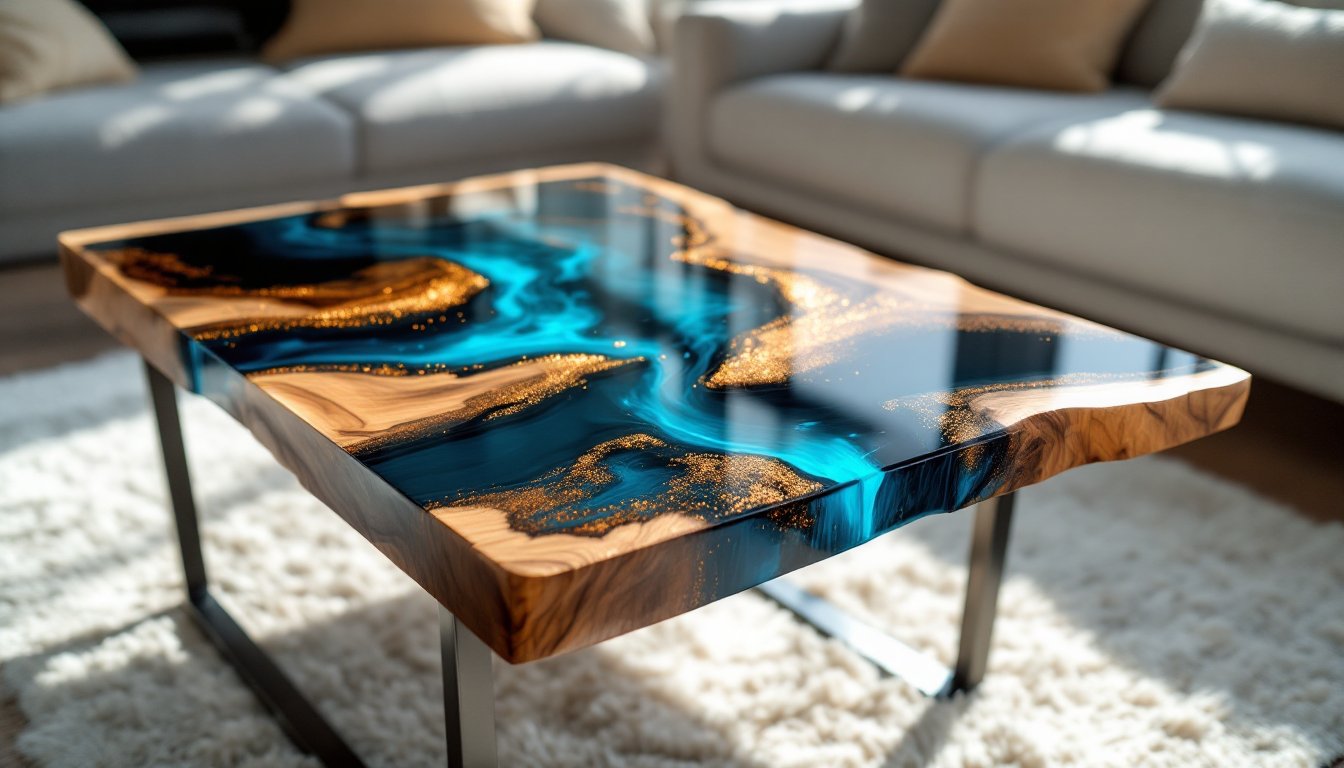
Furniture selection in mobile homes requires dual thinking: does it work functionally, and does it match the available space? Low-profile sofas, armless chairs, and glass coffee tables create visual lightness compared to chunky, solid pieces. Sectional sofas nestle into corners and maximize seating without additional footprint, while ottoman combinations offer flexibility and hidden storage.
Personality comes through decor without clutter. A curated gallery wall (3-5 framed pieces rather than 12) adds visual interest without overwhelming narrow walls. A single statement piece, a bold throw blanket, an accent mirror, a floor lamp with an interesting shape, catches the eye without consuming space.
Textiles (throw pillows, blankets, curtains) are budget-friendly ways to inject color, pattern, and warmth. Window treatments should be strategic: sheer curtains let in light and create softness, while layered drapes add depth. Plants and greenery bring life and improve air quality in enclosed spaces. Intentional decor feels collected and thoughtful, not scattered.
Create a Cozy Bedroom Retreat
The bedroom deserves special attention as a sanctuary for rest. Invest in quality bedding, a solid cotton-poly blend sheet set and a supportive mattress are non-negotiable for sleep quality. Layering with textured blankets and pillows adds coziness and visual depth without taking up floor space.
Lighting control is crucial: a dimmer switch or smart bulbs allow residents to adjust ambiance from bright to relaxation mode. A bedside table doesn’t always need to be a traditional nightstand: a small floating shelf on each side of the bed saves floor space and holds essentials. Wall-mounted reading lights free up surface area and add functional elegance.
Color and textiles create the retreat feeling. Soft, muted wall colors (dove gray, soft sage, warm taupe) paired with textured linens invite relaxation. Blackout curtains improve sleep and light control. A small accent chair in a corner provides a reading nook without overcrowding. The bedroom should feel like an escape, not an extension of the kitchen, strategic separation makes it feel larger.
Conclusion
Transforming a mobile home interior doesn’t require overhaul budgets or structural changes. Smart storage, thoughtful color and lighting choices, updated flooring, kitchen and bathroom refreshes, and intentional furniture selection combine to create a modern, spacious-feeling home. Each upgrade compounds the others: better lighting makes colors pop, strategic storage reduces clutter, and quality finishes elevate daily living. Start with one or two projects, see the transformation, and build momentum. A mobile home that reflects its resident’s style and meets their functional needs becomes not just a place to live, but a home worth the effort invested.