A fireplace doesn’t have to be a relic from decades past. Fireplace inserts have become a practical solution for homeowners looking to boost heating efficiency, modernize their hearth, and cut energy costs without gutting the entire chimney system. Whether you’re dealing with an older masonry fireplace that drafts like a wind tunnel or you want to upgrade a space that sits cold all winter, the right insert can breathe new life into your home. In 2026, the options have expanded, from high-efficiency gas units that keep your hands clean to sleek electric models that require zero venting, to wood-burning inserts that deliver genuine heat and that nostalgic glow. Let’s walk through the main types and what makes each one worth considering.
Table of Contents
ToggleKey Takeaways
- Fireplace inserts recover 70–90% of heat energy compared to just 10–15% for traditional open fireplaces, resulting in lower heating bills and reduced HVAC strain.
- Gas fireplace inserts dominate the market, offering 70–85% efficiency with remote-controlled convenience, costing $1,500–$4,000 plus installation, making them ideal for most homeowners.
- Electric inserts require no venting or installation complexity and cost $300–$1,200, but provide only supplemental warmth at $750–$1,500 watts and higher per-BTU heating costs.
- Wood-burning fireplace insert options deliver maximum heat and authentic ambiance with 75–85% efficiency, though they require annual chimney sweeping, seasoned firewood storage, and regular maintenance.
- Modern fireplace insert designs come in finishes ranging from contemporary black matte to traditional bronze, and adding complementary trim and surround materials can significantly enhance room aesthetics and home resale value.
- Always hire licensed professionals for gas and wood insert installations, conduct a Level 1 chimney inspection ($100–$200), and ensure your fuel source is available before committing to any fireplace insert upgrade.
Why Fireplace Inserts Are A Smart Home Upgrade
A fireplace insert is essentially a heating stove that slides inside an existing fireplace opening, sealing it off and directing heat into your living space instead of up the chimney. The appeal is straightforward: most old fireplaces are inefficient heat thieves, pulling warm air out of the room and sending it skyward. An insert reverses that equation.
Inserts typically recover 70–90% of the heat energy produced, versus the 10–15% efficiency of a traditional open fireplace. That difference translates to lower heating bills and less strain on your HVAC system during cold months. Beyond the numbers, an insert modernizes the look of your hearth, adds a focal point to a room, and can increase home resale value, especially in markets where energy efficiency matters to buyers. Installation usually takes a day or two, and if your chimney is already sound, you’re not looking at major structural work.
Gas Inserts: Efficiency Meets Convenience
Gas fireplace inserts dominate the market for good reason. They light with the flip of a switch or a remote, produce zero ash, and offer heating efficiency in the 70–85% range. Installation requires a gas line connection (run by a licensed gas contractor, not a DIY job) and a venting pipe that exits through your chimney or outside wall.
Direct-vent models pull combustion air from outside and exhaust to outside, requiring no interior air draw, ideal if you live in a tight, well-sealed home where air quality is a concern. Natural-draft models rely on your existing chimney for both intake and exhaust, making them simpler to install if your flue is clean and functioning. Most gas inserts run on either natural gas or propane. If you’re switching fuels, confirm your local utility can supply it and factor in any meter or line upgrades. Expect to spend $1,500–$4,000 for the insert itself, plus another $500–$1,500 for professional installation and venting work. Running costs depend on gas prices and how much you use the insert, but gas is typically cheaper than electric heating per BTU.
Electric Inserts: Style Without The Venting Requirements
Electric inserts are the path of least resistance. Plug one in (or hardwire it to a 240V outlet), and you’re done, no venting, no gas line, no chimney inspection needed. They’re perfect for cosmetic fireplaces that never heated much in the first place, apartments where gas lines aren’t available, or homeowners who want the flame effect without the fuel logistics.
Heat output ranges from 750–1,500 watts, which is fine for supplemental warmth in a room but won’t heat an entire home. The “flame” is a visual effect (LED or water-vapor, depending on the model) with no actual combustion, so they’re zero-emission and 100% efficient at converting electricity to heat. Prices run $300–$1,200 for a decent insert with realistic flame visuals. The downside: you’re heating with electricity, which costs more per BTU than gas or wood in most regions. If your electric bill is already steep, an electric insert as primary heat is wasteful, but as ambient warmth and décor on evenings, it’s hard to beat for simplicity.
Wood-Burning Inserts: Maximum Heat And Authentic Ambiance
Wood-burning inserts are the workhorse of the insert world. They’re efficient (75–85% heat recovery), produce serious BTUs, and have a devoted following among folks who like chopping wood and tending a real fire. Unlike an open fireplace, an insert burns wood in a controlled chamber, maximizing heat output while minimizing creosote buildup in your chimney, though regular chimney cleaning is still non-negotiable.
You’ll need a solid, insurable chimney with adequate draft and a clean flue. Before you buy, have a Level 1 chimney inspection done (about $100–$200): it’ll confirm whether your flue is usable. Most wood inserts are EPA-certified to meet emission standards: newer models burn cleaner and hotter than older ones. Cost is typically $2,000–$5,000 for the insert plus $800–$1,500 for installation and any necessary chimney work. Year-round maintenance includes seasoned firewood storage, creosote and debris removal, and gasket replacement (the rubber seal around the door) every few years. Wood heat works best in homes where residents are home regularly, you can’t just load it up and leave for a weekend.
Design And Aesthetic Considerations
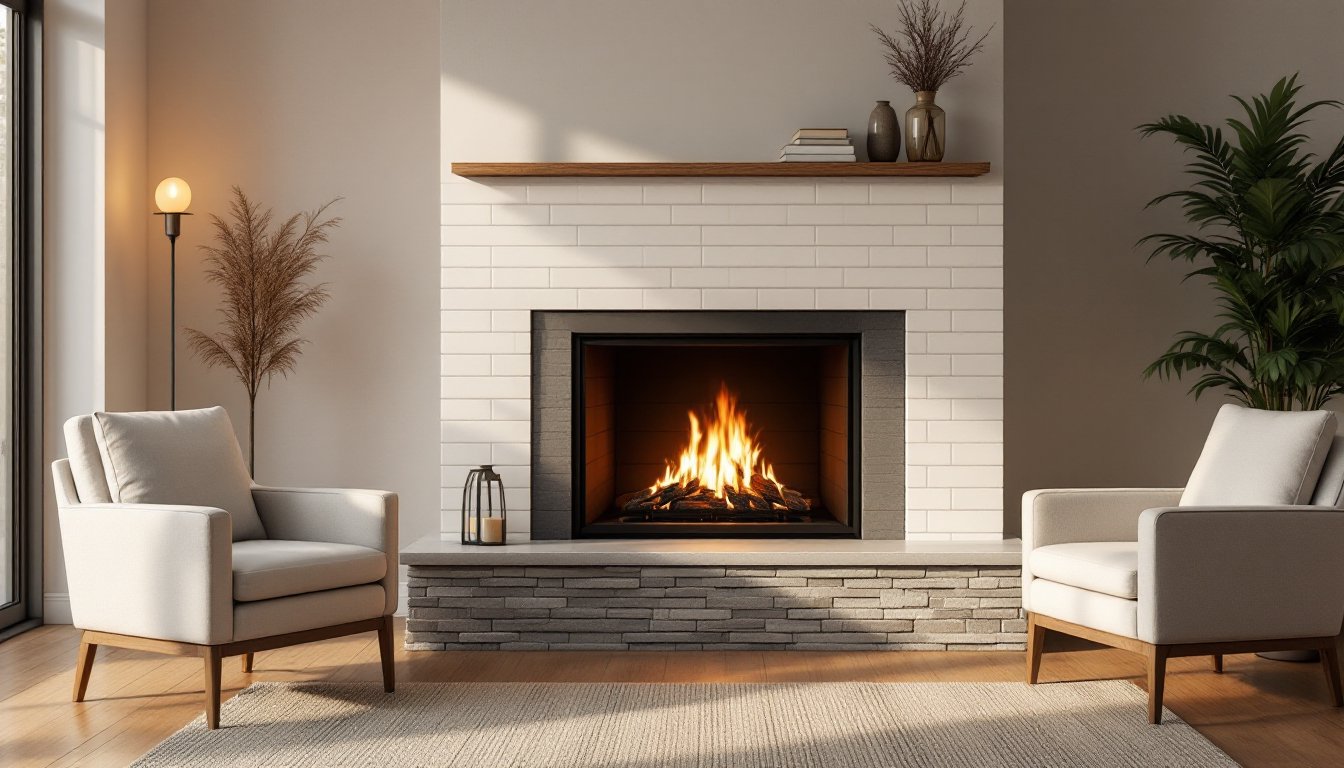
Today’s inserts come in finishes that suit modern and traditional tastes alike. Black matte and brushed stainless steel are popular for contemporary spaces, while bronze or cast-iron trim fits traditional hearths. Frame trim kits (sold separately or bundled) seal gaps between the insert and firebox opening, giving a finished look and improving efficiency.
Flame color and glow intensity matter too. Gas inserts offer options like blue, orange, or multi-color flames: wood inserts depend on how hot you burn. Electric models let you choose flame effect, brightness, and sometimes color. Consider the surround as well, subway tile, shiplap, stone, or marble around the insert frame can modernize the whole wall. Don’t underestimate the “wow factor” of a sharp-looking insert with proper trim and a clean, complementary surround. It becomes a focal point worth the extra thought.
Installation, Maintenance, And Long-Term Value
Installation complexity depends on fuel type. Electric inserts are DIY-friendly if you’re comfortable with basic electrical work and safety. Gas and wood inserts need licensed professionals, gas for the fuel connection, wood for chimney assessment and venting. Budget 1–2 days for professional install, and don’t skimp on the labor: poor venting or gas line work is a safety and efficiency nightmare.
Maintenance varies. Gas inserts need an annual inspection of the burner and venting, plus occasional cleaning of the glass doors. Electric inserts are maintenance-free. Wood inserts require annual chimney sweeping (mandatory for safe operation) and gasket replacement every 3–5 years. Over 15–20 years, the cost difference between types flattens out, but your lifestyle and heating priorities matter most. A gas insert suits someone who wants reliable, hands-off warmth: wood appeals to those who enjoy the ritual and can source firewood cheaply: electric is for supplemental comfort and ambiance. Resale value typically improves with any well-installed, code-compliant insert, especially gas or wood in heating-centric climates.
Conclusion
Choosing the right fireplace insert comes down to your heating needs, fuel availability, lifestyle, and budget. Gas inserts offer the best balance of convenience and efficiency for most homeowners. Electric inserts solve the problem of a cold, non-functional hearth without structural work. Wood inserts deliver maximum heat and character for those willing to maintain them. Whatever you pick, hire licensed professionals for gas or wood installations, confirm your chimney is sound, and choose a trim style that anchors your room’s aesthetic. A modern fireplace insert isn’t just functional, it’s a genuine upgrade to comfort and home value.