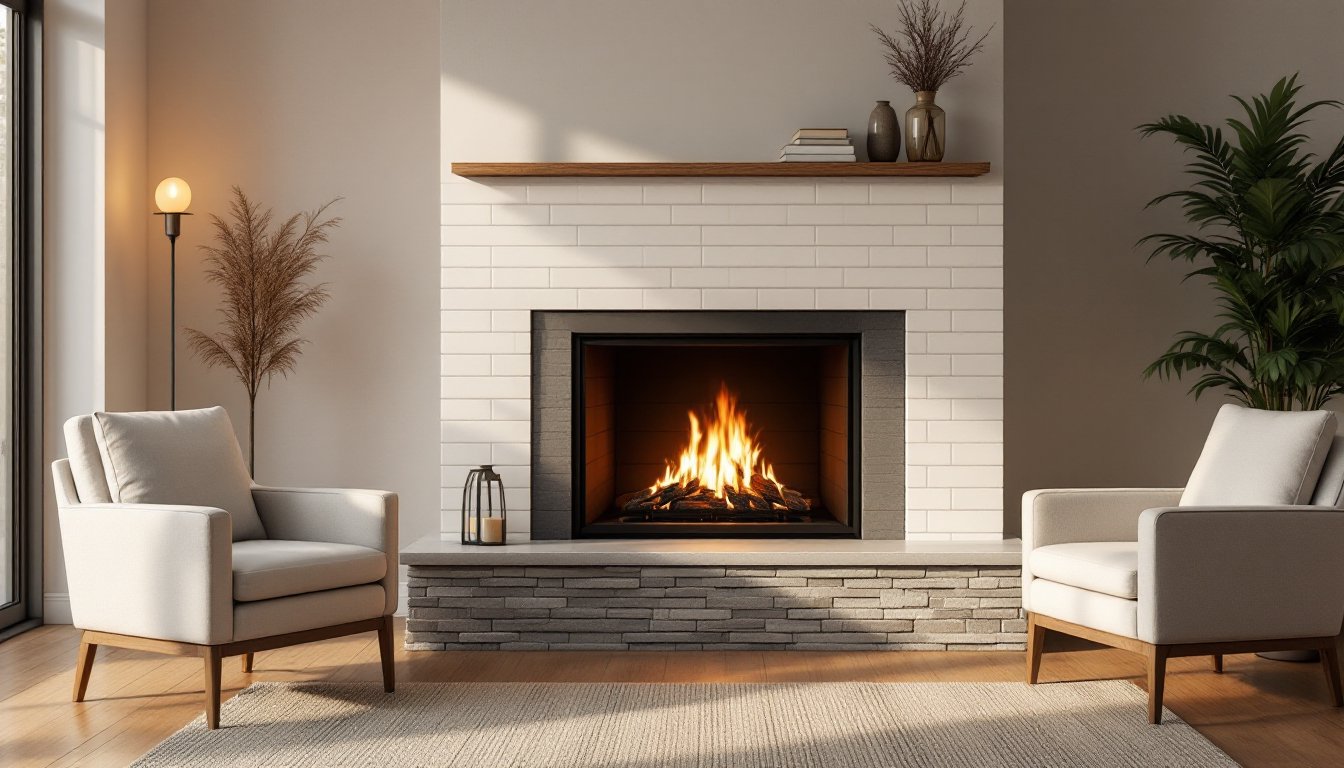
A fireplace is often the focal point of a farmhouse living room, and the tile surround can make or break the entire aesthetic. Whether someone’s renovating an existing hearth or building from scratch, selecting the right farmhouse fireplace tile ideas sets the tone for the entire space. From classic subway patterns to rustic stone, today’s options go far beyond plain white rectangles. This guide covers seven proven tile designs that deliver authentic farmhouse character while maintaining the practical durability that high-traffic fireplace surrounds demand. Each option pairs timeless appeal with real-world performance, so homeowners can pick a style that fits both their vision and their lifestyle.
Table of Contents
ToggleKey Takeaways
- Farmhouse fireplace tile ideas range from budget-friendly subway tile ($2–$8 per sq. ft.) to premium handmade and stone options ($8–$30+ per sq. ft.), allowing homeowners to balance style with practical durability.
- Grout color significantly impacts the final look: neutral or warm grout tones (soft gray, warm tan) complement farmhouse aesthetics better than stark white and hide soot more effectively than bright finishes.
- Classic subway tile in a running bond pattern with matte or honed finishes resists fingerprints and soot better than glossy finishes, making it ideal for high-traffic fireplace surrounds.
- Handmade and artisan tiles require extra preparation—soaking porous clay tiles in water before installation and using flexible thin-set rated for uneven surfaces—but reward the effort with authentic, one-of-a-kind character.
- Geometric and Moroccan accent tiles work best as horizontal bands or focal-point frames combined with neutral base tiles, but demand regular cleaning due to soot collection in recesses and grout lines.
- Natural stone and slate deliver weathered farmhouse authenticity; however, proper sealing after installation and resealing every 1–2 years is essential to protect porous materials from heat, soot, and staining.
Classic Subway Tile: Timeless Elegance for Modern Farmhouse
Subway tile remains the go-to choice for farmhouse fireplaces because it’s versatile, affordable, and endlessly adaptable. A standard subway tile measures 3 inches by 6 inches (nominal), and its clean lines suit both traditional and contemporary farmhouse aesthetics.
The magic lies in layout and grout. Running tiles in a classic running bond (staggered) pattern creates visual rhythm without calling attention to itself. Pairing white or cream subway tiles with light gray grout, rather than pure white, adds subtle depth and hides dust better than bright white mortar. Some homeowners prefer a bolder grout shade like charcoal or even sage green for an intentional design statement.
Subway tile is also budget-friendly, typically ranging from $2 to $8 per square foot for mid-range ceramic or porcelain. Prep work is straightforward: ensure the fireplace substrate (usually concrete board or backer board behind drywall) is clean, flat, and dry. Use a notched trowel (typically 1/4-inch square notch for wall tile) and thin-set mortar to set tiles. For a DIYer tackling a standard fireplace surround, expect the project to take a weekend.
One practical note: subway tile’s glossy finish can show fingerprints and soot residue. A matte or honed finish is more forgiving in this high-heat, high-touch zone.
Shiplap-Style Tiles: Capturing Rustic Charm
Shiplap-style tiles mimic the overlapped wooden boards of traditional shiplap without the maintenance headaches. These tiles feature beveled edges that create shadow lines, giving the fireplace a rustic, layered appearance while staying fully tiled and durable.
These tiles typically come in 6-inch by 24-inch or 8-inch by 24-inch formats and range from $4 to $12 per square foot depending on material (ceramic, porcelain, or even natural stone options). They’re available in off-white, soft gray, cream, and even pale blue, all common farmhouse palettes.
The beveled edges do require slightly more careful installation. Dry-lay tiles first to check alignment and ensure the shadow lines run consistently. Use a 1/2-inch notched trowel and premium thin-set for wall applications. The key is consistent spacing: a 1/8-inch grout joint is typical and maintains the shiplap illusion.
One drawback: the beveled edges collect dust and soot more easily than flat tile, so plan on more frequent gentle cleaning. A soft brush or slightly damp cloth works better than harsh scrubbing. Shiplap-style tile shines on feature walls, but for a complete fireplace surround, the cost and installation complexity can add up.
Handmade and Artisan Tiles: Authentic Texture and Character
Handmade and artisan tiles bring genuine farmhouse soul to a fireplace. Each tile is slightly unique, color variation, uneven edges, and surface texture aren’t flaws: they’re the whole point. These tiles often come from small makers or heritage studios and carry real craftsmanship.
Common options include terra cotta (unglazed or lightly glazed), saltillo tiles (larger Mexican clay tiles with warm, earthy tones), and small-batch ceramic pieces from specialty studios. Expect to pay $8 to $20+ per square foot, and availability can fluctuate based on production.
Handmade tiles demand extra prep. Because clay tiles are porous, soak them in clean water for 15 minutes before installation to prevent them from pulling moisture out of the mortar too quickly. Use a high-quality, flexible thin-set rated for handmade or natural stone tiles, standard thin-set may not grip uneven surfaces reliably.
Grout choice matters here too. Neutral, warm grout tones, soft tan, warm gray, or even rustic red, complement artisan tiles better than stark white. Consider sealing the grout afterward, especially in the fireplace zone where heat and soot are present.
The catch: unglazed or lightly glazed handmade tiles are less stain-resistant and require more maintenance. They’re stunning but demand commitment. Reserve them for fireplaces that see moderate use, not a daily wood-burning powerhouse.
Whitewashed Brick Pattern: Farmhouse Warmth With Visual Interest
A whitewashed brick pattern uses rectangular tiles laid to mimic traditional brick dimensions (often 2 by 8 inches or 3 by 8 inches), then finished with a glazed surface that mimics worn, whitewashed paint. This design bridges authentic brick’s charm with tile’s durability and lower maintenance.
The brick-bond layout, alternating offset rows, creates natural visual movement without feeling busy. Whitewashed finishes come in soft cream, pale gray, and even pale blue tones that feel genuinely aged rather than brand-new. Cost ranges from $3 to $10 per square foot, making it more affordable than true handmade pieces but pricier than standard subway tile.
Installation is straightforward. The glazed surface means standard thin-set and a 3/8-inch notched trowel work fine. Pay attention to grout joints: a 1/4-inch joint mimics traditional mortar and enhances the brick aesthetic. Lighter grout (cream or soft gray) maintains the whitewashed feel: darker grout creates contrast if that’s the desired look.
Where this design shines: it’s durable, forgiving of minor installation imperfections, and ages beautifully. Dust and light soot don’t show as readily on a mottled, whitewashed surface as they would on pure white tile. This is a smart choice for a fireplace that actually gets used.
Moroccan and Geometric Accents: Eclectic Farmhouse Fusion
Moroccan and geometric tiles introduce bold patterns and unexpected color to a farmhouse fireplace while maintaining rustic roots. Zellige tiles (handmade Moroccan zellige with glazed finishes) and geometric cement tiles blend cultural richness with farmhouse approachability.
These tiles work best as accent rows or a central pattern, not as a complete surround. A typical approach: white or cream subway tiles form the base, with a bold geometric or zellige accent band running horizontally at eye level or framing the firebox opening. This balances visual impact with cohesive design.
Geometric and Moroccan tiles range from $5 to $25+ per square foot, depending on handmade quality and complexity. Installation is more finicky because patterns must align properly. Dry-lay the entire accent area before thinning to verify alignment and spacing.
Grout is critical here. Use a neutral, mid-tone grout (warm gray or soft taupe) that doesn’t fight the tile patterns. Avoid white grout unless the tiles are predominantly white: it can muddy the design.
One practical note: geometric and ornate tiles collect soot in recesses and grout lines more readily. They’re beautiful but require willing homeowners. Reserve them for fireplaces used occasionally or as a secondary focal point, not a high-heat wood-burning primary hearth. The aesthetic payoff is real, but so is the cleaning commitment.
Stone and Slate Finishes: Natural Rustic Appeal
Natural stone and slate tiles deliver authentic, weathered farmhouse character that can’t be replicated by ceramic or porcelain. Slate, limestone, and tumbled travertine each bring unique color and texture, grays, warm creams, rustic reds, and earth tones that feel genuinely rooted in the land.
Stone tiles vary in size from small mosaics to 12-inch by 24-inch slabs, and pricing spans widely: $5 to $30+ per square foot depending on stone type and finish. Slate and tumbled travertine sit on the higher end: basic limestone on the lower.
Natural stone installation demands respect. These materials are porous and variable in thickness. Use a flexible, stone-rated thin-set (not standard drywall mortar), and plan for 1/4-inch to 1/2-inch grout joints to accommodate slight size variations. Irregular surfaces mean uneven tile contact: press firmly and check for lippage (unevenness) as you go.
Sealing is non-negotiable for a fireplace where soot and heat are factors. Use a quality stone sealer rated for high-heat environments and apply it after grouting cures (typically 72 hours). Reseal every 1–2 years depending on use and the stone type.
The payoff: stone ages beautifully, gaining character with time. A slate fireplace in 10 years will look better than new. But, this is not a casual DIY project if perfection matters: uneven grout lines and lippage are visible. Some homeowners budget to bring in a stone-specialty installer.
Color and Grout Choices: The Finishing Details That Matter
Grout and color choices are where a good fireplace tile surround becomes a great one. Many DIYers focus on the tile itself and underestimate grout’s visual impact.
Grout color directly affects how the tile pattern reads. Light grout (white, cream) makes tiles appear smaller and more broken up: darker or neutral grout (warm gray, taupe) blends seams and lets the tile design dominate. For farmhouse aesthetics, avoid pure white grout unless the tile is predominantly white. A soft ivory or warm gray is more forgiving and ages better without looking dingy.
Tile color deserves equal thought. Warm tones (cream, soft rust, warm gray, pale gold) feel more authentically farmhouse than cool grays or bright whites. Consider the surrounding drywall, flooring, and trim. The fireplace tile should complement, not compete with, the room’s existing palette.
Practical tips: always use a color-matched sanded grout for joints wider than 1/8 inch: unsanded grout shrinks too much. Seal grout after it cures, especially in the fireplace zone where heat and soot accelerate staining. Use high-quality grout sealer and reapply every 1–2 years.
Test samples if possible. Order a few tile samples and mock up a small area with your chosen grout color before committing to hundreds of dollars of materials.
<h2 id="” data-id=””>
Choosing a farmhouse fireplace tile goes beyond aesthetics, it’s balancing style, durability, and real-world maintenance. Subway tile and whitewashed brick offer proven performance and ease. Handmade and stone options deliver authentic character at the cost of more upkeep. Geometric accents add personality but require commitment. Whatever direction someone chooses, proper surface prep, correct thin-set and grout selection, and thoughtful color pairing ensure the project looks intentional and lasts. A fireplace is built to be the heart of a home: the right tile makes it feel like one.