Diving into the world of salt water pools can feel like stepping into a tropical paradise, but maintaining that oasis comes with its own set of costs. While salt water pools promise a gentler swim and less harsh chemicals, they also demand a bit of financial TLC. Ever wondered if you’re swimming in savings or just treading water?
Overview of Salt Water Pools
Salt water pools use a salt chlorine generator to convert salt into chlorine, offering a gentler alternative to traditional chlorine pools. Many owners appreciate the soft feel of the water, which can reduce skin and eye irritation. Maintenance involves monitoring salinity levels, which requires regular testing to maintain optimal water quality.
Salt chlorine generators typically function well for three to seven years, depending on usage and maintenance. Replacement costs fall between $300 and $800, depending on the model. Owners also spend on salt, often needing 200 to 400 pounds for initial setup, with subsequent maintenance costs ranging from $50 to $100 annually.
Filters in salt water pools require cleaning as well, generally every month or quarter. This upkeep is crucial to prevent algae growth and keep water clear. Pool professionals or owners may dedicate $75 to $150 per cleaning session or consider DIY options.
Regular water balancing is essential in salt water pools. Standard tests include pH, alkalinity, and calcium hardness. Owners often invest in test kits, which cost between $15 and $50, or opt for professional testing services. Professionals might charge around $30 for a complete analysis.
Chemicals for balancing water also contribute to costs. While salt levels remain stable, owners may still require additives like sodium bicarbonate or muriatic acid. Spending between $30 and $60 each season on these chemicals can enhance water stability and clarity.
Salt water pools represent an initial investment. Long-term, they may offer lower costs due to less chlorine usage compared to traditional pools. Prospective owners should assess personal maintenance preferences and financial commitments before committing.
Factors Affecting Maintenance Cost
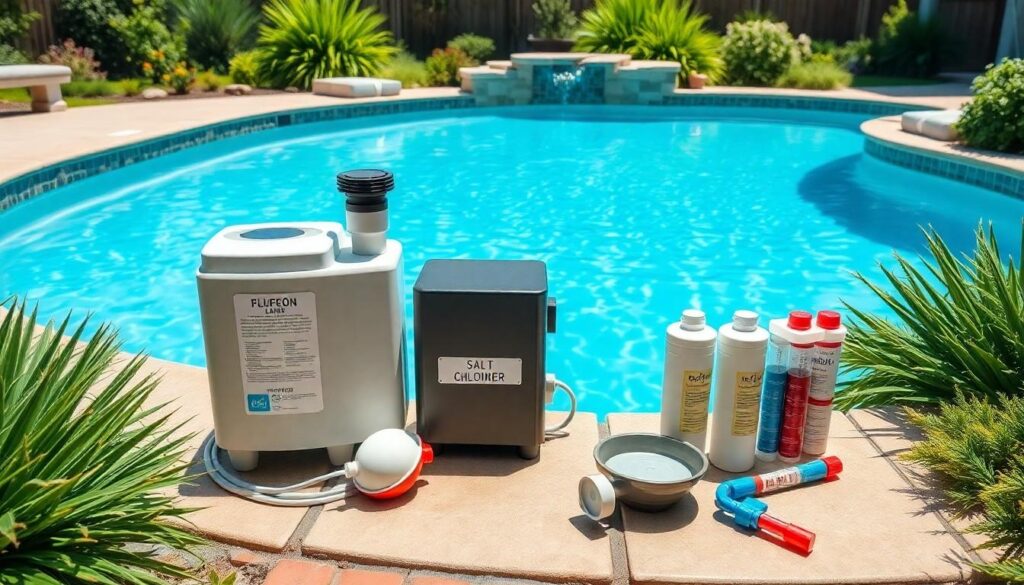
Numerous elements influence the maintenance cost of salt water pools, impacting overall financial management. Understanding these factors aids in budgeting effectively.
Initial Setup Costs
Initial setup costs for a salt water pool range from $1,500 to $5,000. Installation of a salt chlorine generator typically falls between $500 and $2,000. Additionally, 200 to 400 pounds of salt are needed for startup, costing around $20 to $40. Buyers should also consider the expenses associated with pool construction, landscaping, and fencing, which contribute significantly to the overall cost.
Regular Maintenance Expenses
Regular maintenance expenses contribute an estimated $50 to $100 annually for salt replenishment. Monthly or quarterly filter cleaning is essential, with associated costs of $75 to $150 per session. Water balancing tests have their own costs, with test kits averaging $15 to $50. Hiring professionals for water testing incurs fees around $30 per service. These routine tasks ensure optimal pool health.
Repair and Replacement Costs
Repair and replacement costs can present sizable financial commitments. Salt chlorine generators need replacement every three to seven years, costing $300 to $800. Pool equipment repairs, such as for pumps or heaters, may add unexpected costs, averaging $100 to $500 depending on the issue. Any maintenance neglected can lead to more expensive repairs over time, making timely attention critical.
Comparison with Traditional Chlorine Pools
Maintenance costs for salt water pools differ significantly from those of traditional chlorine pools. Salt water pools utilize a salt chlorine generator, which converts salt into chlorine, while traditional pools rely on liquid or tablet chlorine for sanitation. Initial setup costs for traditional pools usually range between $1,000 and $3,000, making them more affordable upfront compared to salt water systems.
Annual chemical costs for traditional pools can exceed $200, as owners frequently purchase chlorine and algaecides. In contrast, salt water pools incur lower annual chemical expenses, estimated between $50 and $100 for salt replenishment. Replacement of salt chlorine generators occurs every three to seven years, costing $300 to $800, which can be a long-term consideration for budgeting.
Filter maintenance also varies. Traditional chlorine pools may require more frequent backwashing and chemical balancing, contributing to an increase in cleaning expenses. Professional cleaning services for these pools generally cost between $100 and $200 per visit. Salt water pools, conversely, have maintenance costs of $75 to $150 for filter cleaning, highlighting a potential savings opportunity.
Owner experiences may differ regarding ease of maintenance. Salt water pools often provide a gentler swimming experience, reducing the irritation associated with chlorine. This beneficial aspect can lead to lower water balancing costs, with tests for pH and alkalinity costing $15 to $50.
Finally, equipment repairs can significantly affect overall expenses in both pool types. Repair costs for traditional pools often fall within the $100 to $500 range. Salt water pools can encounter similar repair needs, but the longevity of their systems can lead to fewer overall repairs. Prospective pool owners should weigh these factors carefully when choosing between salt water and traditional chlorine options, considering both immediate and future expenses.
Cost-Saving Tips for Salt Water Pool Maintenance
Maintaining a salt water pool can remain budget-friendly with some strategic approaches. Regularly checking salinity levels ensures the salt chlorine generator functions efficiently, enhancing chlorine production and reducing additional expenses.
Using solar covers during off-hours traps heat, cuts down on heating costs, and minimizes evaporation. Cleaning filters monthly or quarterly prevents costly algae issues, saving on both cleaning sessions and chemical additives.
Consider DIY maintenance for water balancing tests. Purchasing test kits can be more economical than hiring professionals repeatedly, offering savings of $30 or more each time.
Opting for quality equipment often pays off in the long run. Investing in a reliable salt chlorine generator can extend its lifespan, cutting down on replacement costs of $300 to $800 every few years.
Incorporating regular inspections of the pool’s equipment prevents unexpected repairs. Having a budget for equipment maintenance, ranging from $100 to $500 for repairs, shields from unplanned financial strain.
Utilizing pool landscaping that minimizes debris falling into the water lessens the frequency of cleaning. Less debris translates into lower maintenance efforts and costs.
Pooling resources with neighbors can provide shared maintenance knowledge. Establishing a maintenance co-op facilitates cost-sharing opportunities, helping each participant manage their pool expenses effectively.
By embracing these tips, maintaining a salt water pool can transform into a more economical experience while still enjoying its benefits.
Maintaining a salt water pool involves a careful balance of initial investment and ongoing costs. While the setup may be higher than traditional pools the long-term savings on chemicals and maintenance can make it a more economical choice. By understanding the various factors influencing costs and implementing smart maintenance practices pool owners can optimize their expenses.
With thoughtful management and regular upkeep salt water pools offer a gentler swimming experience that can enhance enjoyment while minimizing financial strain. Ultimately the decision to invest in a salt water pool should align with personal preferences and budget considerations ensuring a rewarding and cost-effective swimming environment.