In a world where food can unite or divide, “Kitchens for Good” is stirring up something truly delicious. This innovative initiative combines culinary arts with social impact, proving that a well-cooked meal can change lives. Imagine a bustling kitchen where aspiring chefs whip up gourmet dishes while gaining invaluable skills and confidence. It’s like a cooking show, but with real stakes and a sprinkle of heart.
Overview of Kitchens For Good
Kitchens for Good blends culinary arts with social impact, providing aspiring chefs the chance to thrive. This initiative emphasizes food’s transformative power and its ability to forge connections.
Mission and Vision
The mission of Kitchens for Good centers on empowering individuals through culinary education. Participants gain practical skills that enhance their confidence and employability in the food industry. A commitment to reducing food waste underscores their vision, as the organization works to promote sustainability while feeding those in need.
Key Programs and Initiatives
Kitchens for Good offers a variety of programs that target skill development and community support. The Culinary Arts Program trains participants in gourmet cooking techniques, enabling them to prepare healthy meals. Additionally, the Meal Program addresses food insecurity by providing nutritious options for local communities. Professional Development Workshops equip participants with essential skills like resume building and job interviewing. Each initiative strives to create a lasting impact on both individuals’ lives and the broader community.
Impact on the Community
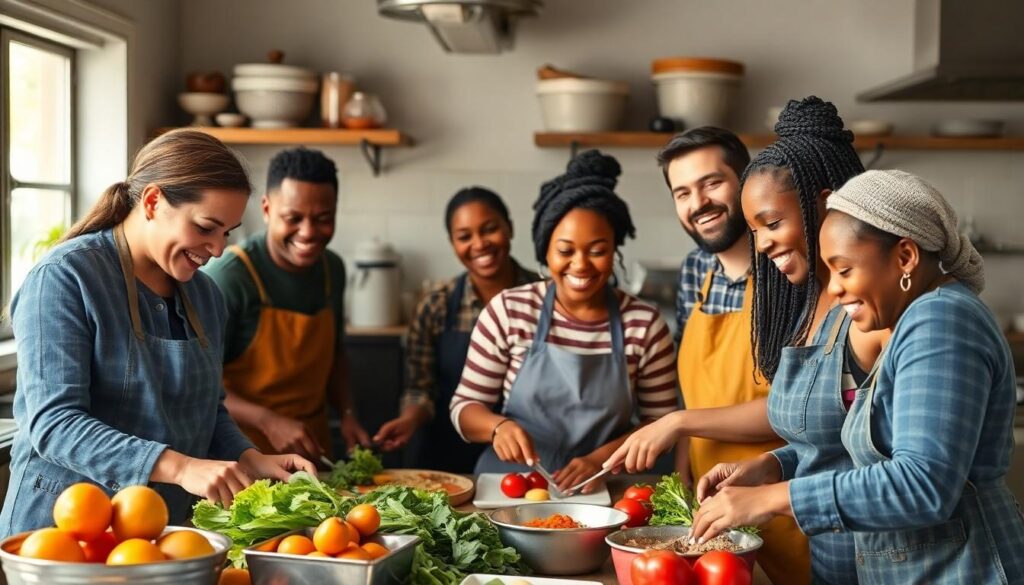
Kitchens for Good significantly influences the community by fostering job skills and addressing food insecurity. Its initiatives promote social responsibility and culinary excellence.
Job Training and Employment
Employment opportunities arise through extensive training provided by Kitchens for Good. Participants acquire culinary skills essential for the restaurant industry. Through hands-on experience, they learn kitchen operations, menu development, and customer service techniques. These elements contribute to their job readiness, making a positive impact on local employment rates. Furthermore, graduates often secure positions within reputable establishments, showcasing the program’s effectiveness in improving economic prospects. Support from local businesses and organizations enhances job placement efforts, creating a network of opportunities for participants.
Food Redistribution Efforts
Food redistribution initiatives play a crucial role in combating hunger. Kitchens for Good redistributes surplus food to community members facing food insecurity. By partnering with local farms and grocery stores, the program reduces food waste while ensuring nutritious meals reach those in need. Volunteers assist in meal preparation and distribution, fostering community engagement. Efforts such as these cultivate a culture of giving and support among community members, addressing urgent needs while promoting sustainability. Each meal served reflects the organization’s commitment to nourishing the community and providing hope.
Culinary Training Programs
Kitchens for Good offers comprehensive culinary training programs that empower individuals through specialized education and practical experience. These programs aim to equip participants with vital skills for the culinary industry while addressing community needs.
Curriculum Highlights
Hands-on training remains a cornerstone of the curriculum. Participants learn gourmet cooking techniques, focusing on food safety and sanitation practices. Instruction encompasses kitchen operations, menu development, and plating aesthetics. Workshops also emphasize business skills like inventory management and cost control. Guest chefs provide insights into industry trends and career pathways, enhancing learning experiences. Overall, the curriculum integrates sustainability practices and emphasizes local sourcing to minimize food waste.
Success Stories of Graduates
Numerous graduates from Kitchens for Good have successfully transitioned into culinary careers. Many found employment in reputable restaurants and catering services. With enhanced skills, they often secure positions that might have seemed unattainable before. Alumni frequently share their experiences, illustrating personal growth and newfound confidence. Celebrating achievements, the organization showcases stories highlighting unique paths, from sous chefs to restaurant managers. These narratives emphasize the program’s significant role in transforming lives, fostering a sense of community resilience, and inspiring future participants.
Partnerships and Collaborations
Kitchens for Good fosters impactful partnerships that enhance its mission and community welfare.
Local Businesses and Farms
Local businesses and farms play a crucial role in the success of Kitchens for Good. These partnerships provide fresh, high-quality ingredients used in culinary training programs. Collaborations with nearby farms help reduce food waste while ensuring that participants access nutritious produce. Local businesses also offer job placements and internships, aiding graduates in their transition to employment. This synergy not only supports the mission of Kitchens for Good but strengthens the local economy, creating a network of sustainability and community engagement.
Nonprofit Organizations
Kitchens for Good collaborates with various nonprofit organizations to amplify its impact. Partnerships with nonprofits focused on food security bolster the meal program, addressing urgent needs in the community. These organizations assist in outreach efforts, helping to identify families facing food insecurity. By working together, both parties can share resources and expertise, ensuring that nutritious meals reach those in need. This collaboration exemplifies the powerful effect of united efforts in combating hunger and improving lives within the community.
Volunteer Opportunities
Kitchens for Good offers various volunteer opportunities that enable individuals to make a difference in the community. Many activities allow volunteers to lend their support in meaningful ways.
How to Get Involved
Getting involved with Kitchens for Good is straightforward. Individuals can sign up for shifts in meal preparation and distribution, assisting with hands-on culinary tasks to provide nutritious meals. Participating in fundraising events connects volunteers with others while driving awareness for the cause. Community members can also choose to collaborate through partnerships with local businesses or contribute fresh produce to support culinary education. Engaging with the organization fosters a stronger community presence while enhancing personal connections to its mission.
Benefits of Volunteering
Volunteering with Kitchens for Good presents numerous benefits. Community members gain hands-on culinary experience, enhancing their cooking skills and knowledge of food safety. Individuals develop valuable networking opportunities that may lead to job placements or further training. Supporting Meals Program fosters a sense of connection and community, bringing together volunteers who share a passion for fighting hunger. By contributing time and effort, volunteers feel empowered, knowing their actions directly impact local families in need. Such involvement cultivates fulfillment, fostering a culture of giving within the community.
Kitchens for Good exemplifies the profound impact that culinary education can have on individuals and communities. By empowering aspiring chefs and addressing food insecurity, it fosters a sense of hope and resilience. The program not only enhances job readiness but also cultivates a culture of giving through volunteer engagement. Each meal served and each skill learned contributes to a stronger community, demonstrating the transformative power of food. As more individuals participate in this initiative, the ripple effect of positive change continues to grow, inspiring future generations to embrace the culinary arts while making a difference.