Adding a sauna to your home is more than a design upgrade. It is a wellness investment that can improve relaxation, recovery, and daily comfort. With so many sauna kits available on the market today, homeowners often find themselves comparing traditional, infrared, and hybrid options without fully understanding the differences.
If you are considering installing one of the many sauna kits available in Canada, understanding how each type works and which best suits your lifestyle will help you make a confident decision.
Understanding Traditional Sauna Kits
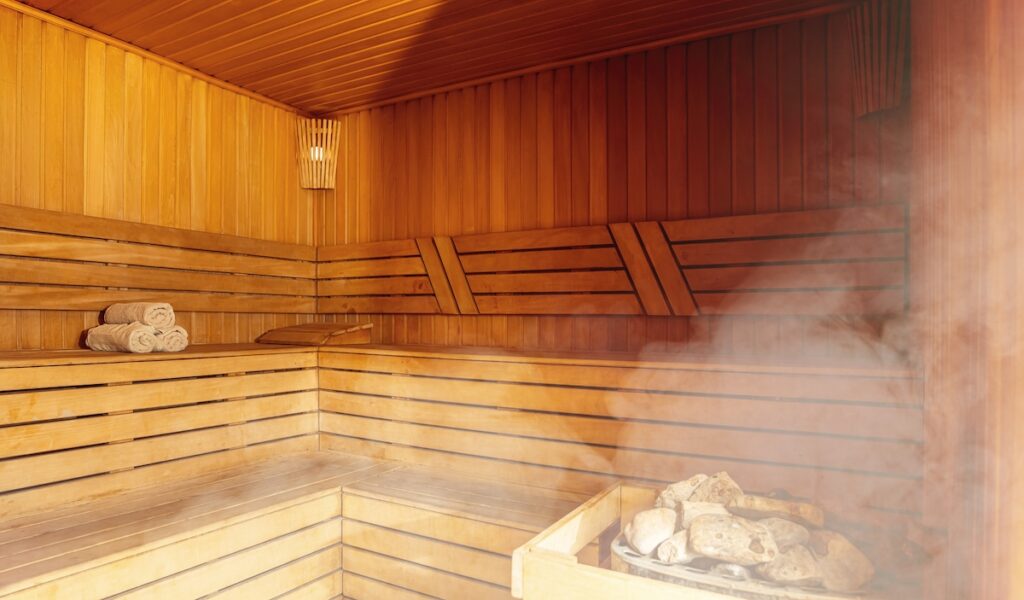
Traditional sauna kits use a heater to warm rocks, which then radiate heat throughout the space. Water can be poured over the heated stones to create steam and increase humidity. This is the classic sauna experience that many people associate with Scandinavian wellness traditions.
Temperatures in traditional saunas typically range from 70 to 100 degrees Celsius. The heat is intense and enveloping, which many users find deeply therapeutic.
Traditional sauna kits are ideal for homeowners who:
- Want an authentic, high heat experience
- Prefer the option of steam
- Enjoy short, intense sauna sessions
- Have adequate electrical capacity for a higher-powered heater
When evaluating sauna kits in this category, it is important to consider ventilation, ceiling height, and heater specifications to ensure proper performance and safety.
What Makes Infrared Sauna Kits Different
Infrared sauna kits operate differently from traditional models. Instead of heating the air, infrared panels emit radiant heat that directly warms the body. These units typically operate at lower temperatures, often between 40 and 60 degrees Celsius.
Many homeowners are drawn to infrared sauna kits because:
- They heat up faster
- They use less energy
- They operate at lower temperatures
- They are often easier to install
For individuals who find traditional high heat uncomfortable, infrared sauna kits can provide a gentler experience while still promoting sweating and relaxation.
Infrared models are also popular for smaller indoor spaces, such as basements, spare rooms, or wellness corners, because they often require less structural modification.
The Appeal of Hybrid Sauna Kits
Hybrid sauna kits combine elements of both traditional and infrared systems. They typically include a conventional heater with rocks as well as infrared panels integrated into the walls.
This allows homeowners to:
- Choose between traditional high heat or infrared warmth
- Use both systems simultaneously
- Customize each session based on preference
Hybrid sauna kits offer flexibility, making them attractive for households with multiple users who have different heat tolerances. One person may prefer the intense heat of a traditional session, while another may want the lower temperature infrared experience.
Although hybrid systems can cost more upfront, they provide versatility that many families appreciate long term.
Key Factors to Consider Before Choosing
When comparing sauna kits, it helps to evaluate a few practical considerations beyond heat type.
Available Space
Measure your installation area carefully. Some traditional sauna kits require additional clearance for ventilation and heater safety. Infrared units may fit more easily into tighter areas.
Electrical Requirements
Traditional heaters may require a dedicated electrical line. Infrared sauna kits often plug into standard outlets, depending on size.
Energy Consumption
Infrared systems typically use less electricity than traditional heaters. If energy efficiency is a priority, this could influence your decision.
Personal Heat Preference
If you enjoy very hot, humid air, traditional sauna kits are likely the better fit. If you prefer moderate heat with direct warmth, infrared may feel more comfortable.
Long Term Goals
Think about how often you plan to use your sauna. Frequent users may benefit from the durability and authenticity of traditional models, while casual users might appreciate the convenience of infrared.
Indoor Versus Outdoor Installation
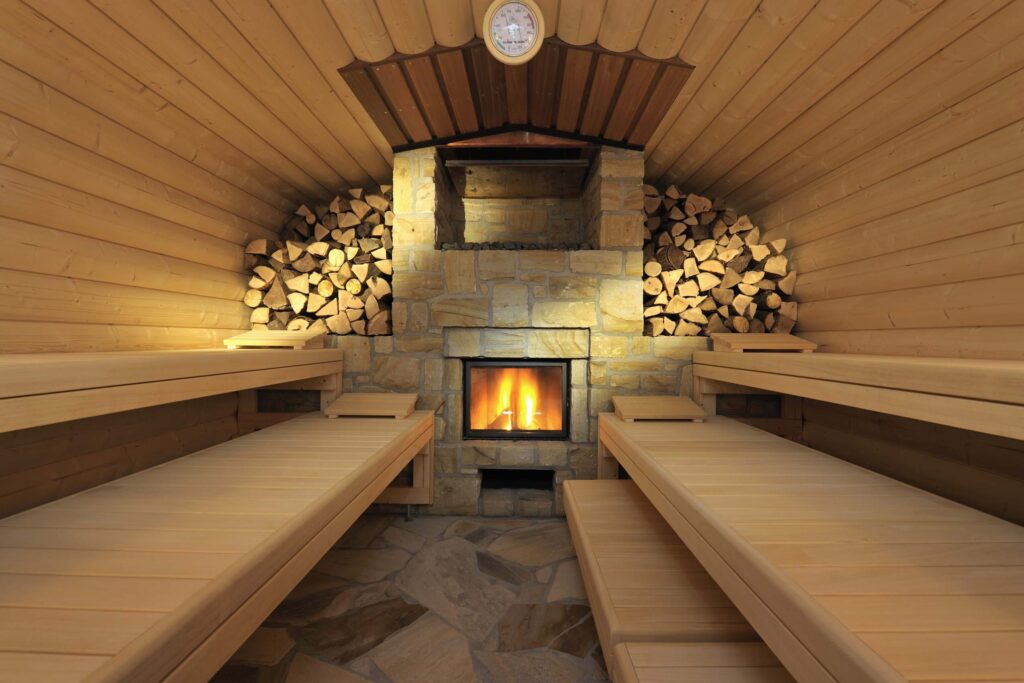
Sauna kits are available in both indoor and outdoor configurations. Outdoor traditional models often create a more immersive retreat experience, especially in colder climates. Indoor infrared options are typically easier to integrate into existing living spaces.
Your home layout, climate, and lifestyle habits will all influence which setup works best.
Making the Right Investment for Your Wellness Routine
Choosing between traditional, hybrid, or infrared sauna kits ultimately comes down to how you want to experience heat and relaxation in your home.
Traditional models offer authenticity and intensity. Infrared options provide efficiency and comfort at lower temperatures. Hybrid designs deliver flexibility for households with varied preferences.
By carefully evaluating space, budget, energy use, and personal comfort levels, homeowners can confidently select sauna kits that align with both their wellness goals and their home environment.
A well chosen sauna becomes more than a feature. It becomes a daily ritual, a recovery space, and a long term lifestyle enhancement tailored to your needs.