Owning a pool is like having a personal slice of paradise right in your backyard. But before diving into those crystal-clear waters, it’s essential to know the hidden costs lurking beneath the surface. Pool maintenance can feel like a never-ending game of “how much can I spend today?” From chemicals that keep the water sparkling to equipment repairs that pop up when you least expect them, the expenses can add up faster than a cannonball splash.
Overview Of Pool Maintenance Costs
Pool maintenance costs vary significantly based on factors such as pool size, type, and location. On average, homeowners spend between $1,200 and $2,000 annually on maintenance. This figure includes regular cleaning, chemical treatments, and equipment upkeep.
Cleaning services typically cost around $75 to $150 per visit. Frequency influences these costs, with weekly visits adding up to $3,000 or more per year. Chemical expenses depend on water quality and climate, averaging $300 to $600 yearly for basic supplies.
Repairs can be unpredictable and contribute significantly to total expenses. Routine equipment maintenance usually ranges from $100 to $500 annually, but major repairs, like pump or heater replacements, may cost several thousand dollars.
Insurance premiums also add to pool maintenance costs. Homeowners should expect to pay an additional 10% to 15% on their property insurance due to the presence of a pool.
Energy costs must be considered as well. Pool owners spend approximately $300 to $600 per year on electricity for heating and filtration. Variables such as local utility rates and usage patterns dramatically influence these costs.
Understanding these categories is crucial for prospective pool owners. The overall maintenance cost can quickly escalate if left unchecked. Prioritizing regular inspections and prompt repairs can mitigate larger expenses over time.
Factors Affecting Pool Maintenance Costs
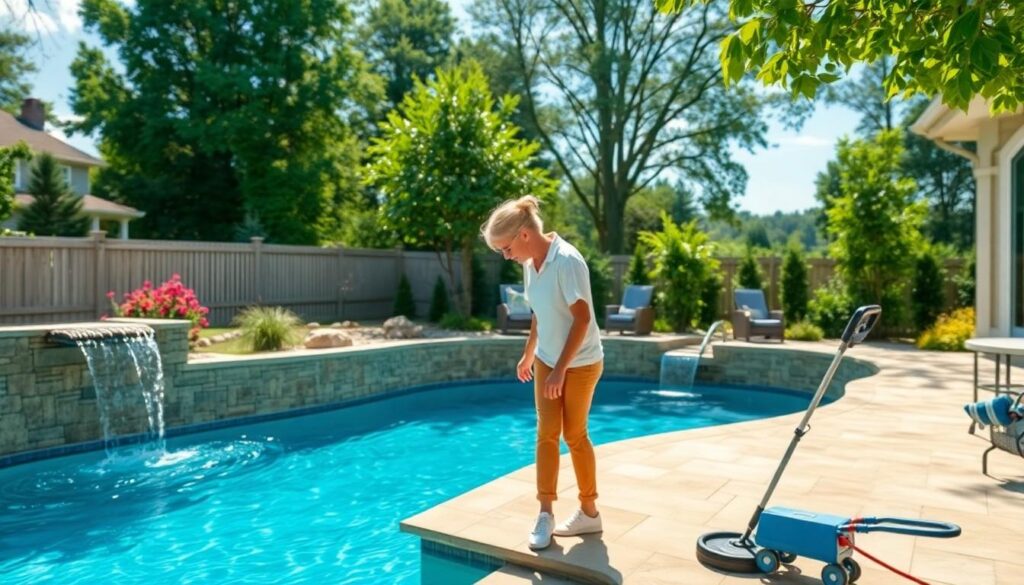
Understanding the factors influencing pool maintenance costs helps homeowners prepare for the financial responsibilities of pool ownership. Several aspects directly impact these expenses.
Type Of Pool
Different types of pools incur varied maintenance costs. Inground pools typically require more upkeep than above-ground pools due to their size and complexity. Concrete pools, while durable, demand more frequent resurfacing and repairs. Fiberglass pools often require less maintenance, but initial installation costs can be higher. Vinyl pools present their unique needs, such as liner replacements every few years. Additionally, special features like waterfalls or spas further increase maintenance expenses.
Size Of The Pool
Pool size greatly affects maintenance costs. Larger pools require more chemical treatments to maintain balanced water chemistry. Moreover, cleaning these expansive areas takes more time, whether it’s through mechanical cleaning systems or manual methods. Weekly cleaning likely costs homeowners more as pool size increases. Filtering systems also need to work harder, which can raise energy expenses. Smaller pools, on the other hand, allow for streamlined upkeep and reduced costs overall.
Location And Climate
Location and climate play critical roles in determining maintenance costs. Pools in warmer climates often need more frequent chemical balancing due to higher temperatures and increased sunlight. Areas with a lot of foliage require more cleaning to manage debris and leaves. Conversely, colder climates might see reduced usage, impacting chemical usage accordingly. Additionally, local regulations and insurance costs linked to pool ownership can vary significantly by region. Understanding these geographical factors aids in budgeting for pool maintenance effectively.
Breakdown Of Maintenance Expenses
Understanding the cost components of pool maintenance helps homeowners prepare for expenses that arise. Several categories contribute to the overall financial responsibility of pool ownership.
Chemicals And Supplies
Chemicals and supplies represent a significant portion of maintenance costs. Homeowners typically spend between $300 and $600 annually on these essentials. Chlorine, pH balancers, and algaecides play crucial roles in keeping the water clean and safe. Routine testing kits ensure proper chemical levels, and a good filter may require occasional replacement. Additionally, other supplies like tools and nets might add another $50 to $100 yearly. These ongoing expenses highlight the need for a reliable maintenance budget.
Labor Costs
Labor costs can vary widely depending on whether homeowners choose to maintain their pool or hire professionals. When using professional cleaning services, fees generally range from $75 to $150 per visit. Weekly visits can accumulate costs exceeding $3,000 annually. For those opting for DIY maintenance, it’s important to consider the time and effort involved, as well as any potential mistakes resulting in additional repairs. Seasonally, hiring a service for opening and closing the pool may add further costs, typically between $300 and $600.
Repair And Renovation Costs
Repair and renovation costs can escalate quickly if not managed promptly. Basic routine maintenance typically ranges from $100 to $500 annually, covering simple repairs and upkeep. Homeowners should prepare for more significant expenses, such as replacing pumps, filters, or heaters, which could run into several thousand dollars. Unexpected breakdowns can significantly impact budgets. Regular inspections often prevent these costly surprises. Renovation projects, such as resurfacing or remodeling, add another layer of potential expenses and range widely based on the scope of the work.
Cost-Saving Tips For Pool Maintenance
Pool maintenance can be budget-friendly when homeowners implement certain strategies. Adopting cost-saving measures enables efficient upkeep without overspending.
DIY Maintenance Options
Many homeowners explore DIY maintenance options to cut costs. Regular cleaning of the pool using a skimmer or vacuum can save considerable money on services. Testing water pH and chlorine levels at least once a week ensures proper chemical balance and minimizes chemical purchases. Homeowners can purchase a testing kit for $10 to $30. Additionally, maintaining the filter system requires minimal skills and can reduce service fees by up to 50%. By taking on these tasks, homeowners not only lower costs but gain a better understanding of their pool’s needs.
Seasonal Maintenance Strategies
Seasonal maintenance strategies can also lead to significant savings. Winterizing the pool involves draining water and adding protective chemicals, preventing costly damage. During the summer, regular checks of pool equipment can catch issues early, avoiding expensive repairs later. Cleaning the pool less frequently during cooler months reduces overall chemical usage. Homeowners can schedule a deep cleaning at the start of each season for an average of $200 to $400. Prioritizing these strategies allows for efficient budget management while enjoying a well-maintained pool.
Owning a pool can be a delightful experience but comes with its share of financial responsibilities. Understanding the various costs associated with pool maintenance is essential for any homeowner. By being proactive in managing expenses and considering factors like pool size and location, individuals can enjoy their personal paradise without breaking the bank.
Implementing cost-saving strategies like DIY maintenance and seasonal checks can lead to significant savings over time. Regular inspections and timely repairs not only enhance the pool’s longevity but also help avoid unexpected costs. With careful planning and informed decisions, homeowners can create a beautiful and enjoyable pool environment while staying within their budget.