In a world where buildings are no longer just bricks and mortar, digital architecture is taking center stage. Imagine designing structures that not only stand tall but also dance to the rhythm of algorithms and data. It’s like giving your imagination a high-tech playground where creativity knows no bounds.
From virtual reality walkthroughs to smart buildings that think for themselves, digital architecture is revolutionizing how we conceive and construct our environments. Forget the days of dusty blueprints and tedious revisions; it’s time to embrace a future where architects wield pixels like wizards casting spells.
Overview of Digital Architecture
Digital architecture represents a significant evolution in the building design and construction landscape. This innovative approach relies on advanced technologies, moving beyond traditional methods to create more efficient and imaginative structures.
Definition and Scope
Digital architecture refers to the integration of digital technologies into the design, modeling, and construction processes of buildings. It encompasses a wide range of tools, such as computer-aided design (CAD), building information modeling (BIM), and parametric design software. By utilizing these digital frameworks, architects can visualize their projects in 3D, simulate building performance, and collaborate more effectively across teams. Concepts like virtual reality enhance the immersive experience of design, allowing stakeholders to interact with spaces before they are built. The scope extends to smart buildings, which incorporate IoT technologies. Such advancements lead to more sustainable, adaptable environments.
Importance in Modern Design
Modern design benefits significantly from the application of digital architecture. Efficiency during the design phase increases as architects utilize data-driven insights to inform their decisions. Accuracy in construction rises, reducing errors and omissions that often occur with traditional blueprints. Collaboration becomes more effective, allowing multidimensional modeling in real-time across various disciplines. Sustainability in construction practices improves when digital tools identify energy-efficient designs and materials. Enhanced user experience features emerge through the integration of smart technologies, fostering environments that cater to occupants’ needs. Digital architecture ultimately transforms how spaces are conceived and utilized in contemporary society.
Key Components of Digital Architecture
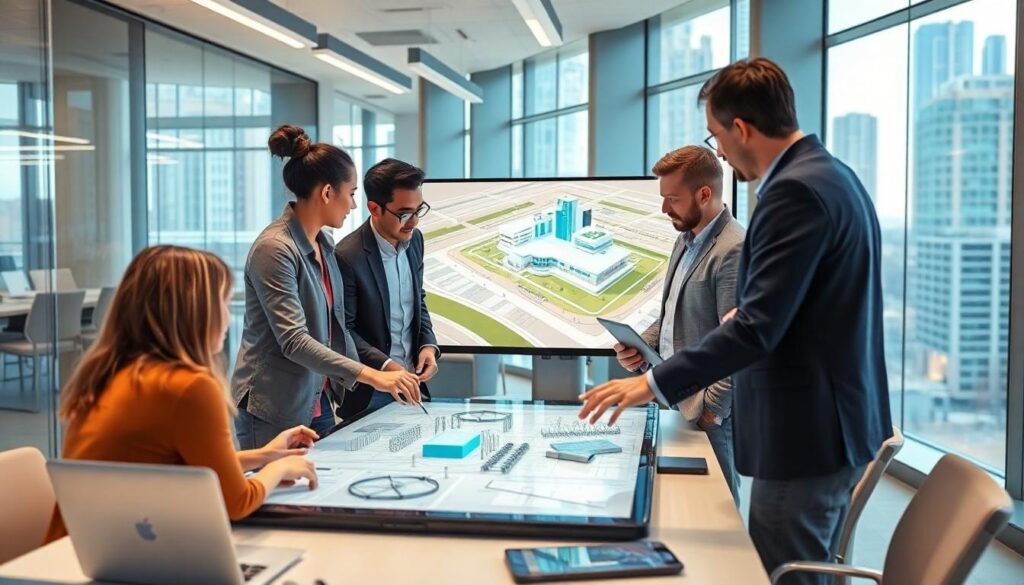
Digital architecture comprises various elements that enhance contemporary building design. Key components include software tools and emerging trends that shape the landscape.
Software Tools and Technologies
Numerous software tools empower architects in digital architecture. Computer-aided design (CAD) streamlines the drafting process, enabling precision and speed. Building Information Modeling (BIM) integrates multi-dimensional data, improving collaboration among teams. Parametric design software facilitates the creation of dynamic models that adapt to specific parameters. Virtual reality (VR) enables immersive visualization, offering clients a firsthand experience of designs. Together, these technologies foster creativity and promote efficiency throughout the design and construction phases.
Emerging Trends in Digital Design
Several emerging trends drive innovation in digital architecture. Generative design algorithms create optimized solutions based on set parameters. The adoption of artificial intelligence (AI) analyzes vast data for informed decision-making in design. Sustainable practices gain prominence, with digital tools aiding in resource management and energy efficiency. Smart building integration enhances user experience through automation and connectivity. Each trend contributes to a more responsive and sustainable approach to architecture, reflecting contemporary needs and preferences.
Applications of Digital Architecture
Digital architecture plays a crucial role in shaping diverse building types. Its relevance extends across various sectors, enhancing design processes and outcomes.
Residential Projects
Digital architecture enhances residential projects by enabling custom designs and efficient space utilization. Advanced tools like CAD and BIM allow architects to create tailored floor plans, ensuring optimal functionality and aesthetic appeal. Homeowners benefit from immersive experiences through virtual reality, allowing them to visualize spaces before construction begins. Sustainability also sees an increase, with architects employing smart technologies for energy conservation. The integration of user-friendly interfaces permits clients to participate actively in the design process, fostering collaboration that leads to innovative solutions for modern living.
Commercial Developments
Digital architecture significantly transforms commercial developments, promoting efficiency and innovation in design. Architects utilize building information modeling to create accurate representations of structural and spatial relationships. Such precision facilitates better decision-making throughout the project lifecycle and reduces costs related to redesigns. The incorporation of generative design algorithms enables architects to explore numerous design alternatives quickly. Collaborative platforms enhance communication among stakeholders, while adaptive reuse practices target sustainability by repurposing existing structures. This blend of technology and creativity results in commercial spaces that are not only functional but also adaptable to changing market demands.
Challenges in Digital Architecture
Digital architecture faces several challenges that impact its effectiveness. Stakeholders must navigate these obstacles to realize the full potential of this innovative approach.
Technological Limitations
Technological limitations often hinder the integration of advanced tools. Software compatibility issues can disrupt project workflows, complicating collaboration among teams. Additionally, inadequate server capacity affects the performance of resource-intensive applications. Many architects encounter steep learning curves when adopting new software, which can delay project timelines. Proper training and ongoing support can alleviate some of these challenges, yet access to expert knowledge remains inconsistent.
Environmental Considerations
Environmental considerations play a critical role in digital architecture. Energy consumption associated with advanced software and hardware can negatively impact sustainability goals. Furthermore, the life cycle of technological products generates electronic waste, raising concerns about disposal and recycling practices. Designers must prioritize eco-friendly materials and processes to mitigate potential environmental harm. Innovations like energy-efficient data centers and green building certifications can help create a more sustainable framework in digital architecture. Adopting these measures addresses both technological and environmental challenges.
Future of Digital Architecture
Digital architecture continues to evolve, driven by technological advancements and innovative practices. Emerging trends promise to reshape building design and urban spaces in significant ways.
Innovations on the Horizon
Generative design algorithms emerge as powerful tools, enabling architects to explore countless design possibilities quickly. Artificial intelligence automates repetitive tasks, enhancing precision and creativity. Virtual reality and augmented reality provide immersive experiences that elevate client engagement and decision-making. Blockchain technology introduces transparent project management and secure transactions, fostering collaboration. Sustainable construction practices gain traction through digital tools that optimize material use and energy efficiency. Innovations like these signify a shift towards smarter, more adaptive design solutions that address contemporary needs.
Impact on Urban Planning
Digital architecture redefines urban planning dynamics, enabling data-driven decision-making. Geographic information systems allow planners to visualize spatial relationships and analyze environmental impacts effectively. Smart building technologies integrate into urban environments, fostering sustainability and connectivity. These advancements promote mixed-use developments that accommodate diverse populations and enhance community interactions. Collaborative tools improve stakeholder engagement, making it easier to balance economic, social, and environmental factors. Overall, digital architecture significantly influences how cities grow, transforming them into more livable and sustainable spaces.
Digital architecture is revolutionizing the way buildings are designed and constructed. By integrating advanced technologies with creative processes architects are not only enhancing efficiency but also reimagining the possibilities of space. The shift towards tools like BIM and parametric design is fostering collaboration and innovation across various sectors.
As this field continues to evolve it faces challenges that demand attention. Stakeholders must address technological limitations and environmental impacts while embracing sustainable practices. The future of digital architecture promises exciting advancements that will further transform urban landscapes into more adaptive and livable environments. With each step forward the potential for creativity and sustainability in architecture expands, paving the way for a brighter future.