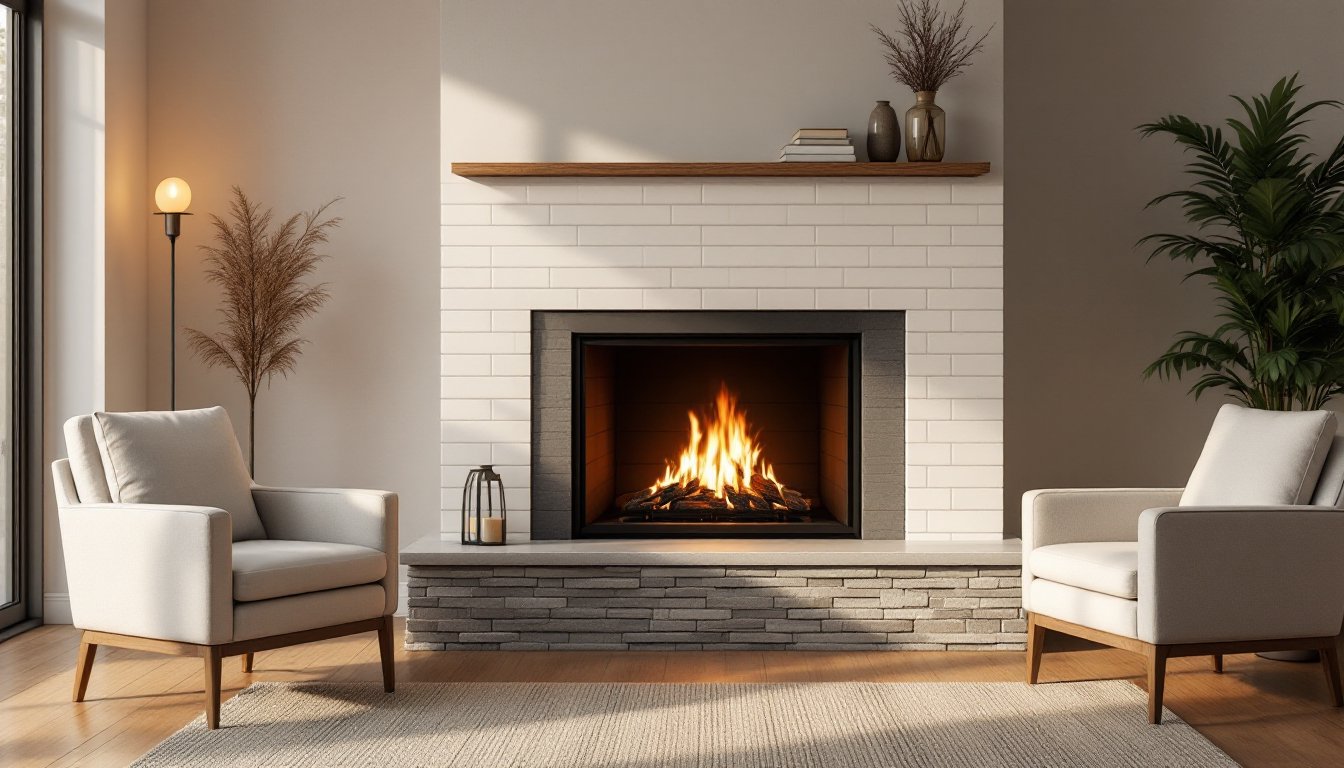
A floor to ceiling fireplace makes a powerful statement. It draws the eye, anchors a room, and transforms how a space feels, whether someone’s building from scratch or reimagining an existing hearth. In 2026, homeowners have more creative options than ever: sleek minimalist walls, dramatic stone textures, smart heating tech, and bold color choices that go far beyond the traditional red brick. The key is understanding which style fits the room’s architecture, the homeowner’s lifestyle, and the practical constraints of their space. This guide covers modern designs, classic materials, and installation tips that turn a fireplace from functional element into the room’s hero.
Table of Contents
ToggleKey Takeaways
- Floor to ceiling fireplace designs in 2026 range from sleek minimalist styles with linear units to dramatic stone and textured finishes that transform a room’s focal point.
- Linear fireplaces paired with smooth drywall or concrete surrounds create contemporary gallery-like spaces, while classic brick and stone masonry deliver timeless warmth and require proper sealing every 2–3 years.
- Textured materials like 3D tile, shiplap, and fluted panels add depth and visual interest, but proper wall prep and fire-rated materials (Type X drywall, 12-inch clearance from firebox) are essential for code compliance.
- Modern fireplace technology—including electric, ethanol, and smart gas units—offers flexibility without traditional venting, though wood-burning options remain popular for authentic ambiance.
- Creating a successful focal point requires intentional furniture layout facing the hearth, bold wall colors to highlight the surround, and sparse mantelscaping that lets the fireplace dominate the room.
- Professional consultation with licensed HVAC technicians, electricians, or chimney sweeps ensures safety, proper ventilation, and local code compliance before installation begins.
Modern Fireplace Wall Designs
Sleek Linear and Minimalist Styles
Linear fireplaces running horizontally across a floor to ceiling wall create calm, contemporary spaces. These units sit low, often just 6 to 12 inches tall, and stretch 4 to 8 feet wide, forcing the eye to travel and making ceilings feel taller. A horizontal fireplace paired with a smooth, frameless fireplace surround (often drywall, concrete, or large-format tile) delivers gallery-like minimalism.
Installation requires careful planning. The homeowner needs to frame a chase, a structural cavity, to route gases and combustion air, unless they’re going with a ventless ethanol fireplace (which produces no emissions and needs no venting). Ventless units offer flexibility for any wall but require adequate room ventilation and clearance from combustibles (typically 18 inches from the unit to any curtains, furniture, or trim).
For drywall surrounds, install 5/8-inch fire-rated drywall (Type X) around and above the fireplace opening. This is non-negotiable: building codes require it. Prime and paint with a matte or satin finish to avoid light reflection glare on flat surfaces. Concrete surrounds deliver industrial polish, think polished, troweled finishes in gray, charcoal, or white. They’re durable and hide soot beautifully, but require professional finishing for a quality look.
The minimalist approach also pairs well with floating shelves or built-ins flanking the fireplace, which balance the horizontal emphasis and frame the heat source without clutter.
Classic Brick and Stone Floor to Ceiling Fireplaces
Brick and stone never go out of style. Full-height masonry creates warmth and texture that contemporary finishes struggle to match. A floor to ceiling brick fireplace in a living room anchors heritage and permanence, especially when the brick rises from the foundation through the roof line uninterrupted.
Running bond (the most common pattern, where bricks overlap half their length) feels timeless. Herringbone or stacked patterns add visual interest but demand extra layout time and precision cutting. Mortaring is critical: use a Type N mortar (suitable for most interior fireplaces) and keep joints consistent, typically 1/4 inch. Uneven joints look sloppy and trap moisture.
Stone offers variety: slate, limestone, granite, and fieldstone each bring distinct character. Slate is durable and dark: limestone weathers beautifully but can stain: granite is nearly indestructible: fieldstone (irregular, natural shapes) feels rustic and charming. Full-height stone requires structural support, the base course sits on a firebox foundation, and the whole assembly must handle the weight. Stone over 6 feet tall often needs steel lintels or arches every 4 feet to prevent cracking.
Sealing is essential. Most stone is porous and absorbs soot and creosote from the chimney. Apply a masonry sealer rated for fireplaces (one that allows vapor transmission) every 2–3 years. Avoid penetrating sealers on interior walls, they trap moisture inside and cause spalling (surface crumbling).
Mixing materials, say, brick base with stone upper half, breaks up the visual mass and accommodates budget constraints, since stone costs 2–3 times more per square foot than brick.
Dramatic Materials and Finishes
Texture transforms a fireplace wall from a heating element into sculpture. 3D tile, shiplap, fluted panels, and textured plaster create depth and shadow play that photographs beautifully and feels premium in person.
Textured tile options range from ceramic to porcelain to natural stone. A 3D geometric tile, think hexagons, chevrons, or raised facets, can be arranged in monochrome (all white or all black for understated drama) or mixed-media layouts. Porcelain holds color better than ceramic and resists staining: it’s ideal for fireplaces where soot and heat exposure are concerns.
Shiplap (horizontal wood boards with overlapping edges) brings farmhouse or coastal warmth. Treat it with fire-resistant stain or paint and keep it at least 12 inches back from the firebox opening to meet code. Painted shiplap in navy, charcoal, or deep forest green behind a fireplace makes the flames glow.
Fluted or ribbed wall panels, either solid wood, MDF (medium-density fiberboard, cheaper but less durable), or plaster, create vertical lines that draw eyes upward. Flutes typically run 4 to 12 inches apart: the deeper the flute, the more dramatic the shadow. Pair these with minimalist firebox trim (no mantel) to let texture be the star.
Plaster offers custom sculptural possibilities: curved surrounds, layered textures, or hand-troweled finishes that look organic and craft-made. It’s labor-intensive and costly but unmatched for one-of-a-kind drama.
For any textured material, prep is crucial. Smooth the wall surface beneath with self-leveling compound or proper drywall finishing (all joints mudded smooth). Dust and primer coat everything to ensure tile, paint, or finish adheres evenly.
Creating a Focal Point in Your Living Space
A floor to ceiling fireplace is already a focal point, the challenge is supporting it architecturally and visually without fighting it.
Angle the furniture layout toward the fireplace. Seating should face the hearth, not the TV. If a TV must hang nearby, mount it off-center or on an adjacent wall so the fireplace dominates. Accent lighting, recessed lights above the fireplace or a picture frame light on top, highlights the surround and creates ambiance at night.
Color is your ally. Paint the fireplace wall in a bold or contrasting shade: matte black, deep green, warm terracotta, or cool blue. The wall becomes a backdrop that defines the room’s personality. Neutral walls around the fireplace feel calm: darker tones make flames pop and the hearth feel cozier.
Mantelscaping, what goes on or around the fireplace, should be intentional. A wood mantel (or floating shelf) at waist height adds a place for seasonal decor, books, or artwork. Keep styling sparse: too many objects dilute the focus. A single tall plant, a few art books, or a sculptural piece work better than a cluttered shelf.
For floor to ceiling designs without a traditional mantel, create visual pause zones. A tile border, stone edge, or painted horizontal stripe 4 to 5 feet high breaks the wall mass and gives the eye a place to rest.
Carpeting or a fireplace rug grounds the hearth and defines the zone. Area rugs in natural fiber (jute, wool) or patterned designs anchor the seating area and warm up hard flooring.
Integrating Modern Technology
Smart fireplaces and heating tech modernize the experience without sacrificing aesthetics. Electric fireplaces, which produce no emissions and require no venting, offer flexibility. They mount inside any frame and deliver realistic flame effects and adjustable heat output. Installation is straightforward: frame an opening, run power (a standard 120V outlet), and trim it out. No permits, no chimney, no ash.
Ethanol fireplaces burn liquid fuel in an open burner, producing real flames with minimal emissions. They’re vent-free, so they work in rooms without chimneys. Heat output is lower than wood-burning fireplaces, so they’re better for ambiance than primary heating. Fuel costs run $1–2 per hour depending on burn time and fuel grade.
Smart thermostats paired with direct-vent gas fireplaces let homeowners schedule heating, adjust temperature remotely, and monitor efficiency via phone. A direct-vent unit draws outside air for combustion and vents exhaust directly outside, no chimney needed. Installation does require venting through a wall or roof, plus gas line connection: this needs a licensed plumber and electrician, and permits.
Flame visualization tech in newer electric inserts uses LED and holographic effects to mimic wood-burning realism. Some units sync with ambient lighting to adjust flame color or intensity based on room conditions.
Hybrid approaches work well: a wood-burning or gas fireplace for seasonal ambiance plus an electric insert for off-season light and warmth, avoiding year-round heat waste.
Regardless of fuel type, ensure adequate clearance from combustibles, proper ventilation (if fuel-burning), and compliance with local codes. A licensed HVAC tech or chimney sweep (for wood-burning units) should sign off on installation.
Conclusion
A floor to ceiling fireplace becomes the room’s defining feature when materials, layout, and technology align with the space and the homeowner’s needs. Whether the choice is modern minimalism, classic masonry, dramatic texture, or smart heating tech, the goal is the same: create a focal point that feels intentional, safe, and genuinely loved. Start with the fireplace type (wood, gas, electric, ethanol), then frame the surround around it. Pay attention to materials, sealing, and ventilation, these are where DIY projects either succeed or create costly problems down the road. When in doubt, consult a licensed HVAC tech, electrician, or chimney professional before starting. The fireplace you build today will warm your home, and your life, for years to come.